
 See My Latest Article on HelloNation
How Can You Tell If a Propane Tank Is Running Low?
The simplest way to know a propane tank is getting low is by reading the gauge, but there are several other signs. Most tanks in Port Neches for home heating, water heating, or cooking are equipped with a built-in gauge. These dials generally show the percentage of the tank filled—when that gauge reads around 20-30%, it's a good signal that you should start planning for a refill.
However, not every propane system is the same, and some households use portable cylinder tanks without gauges. In those cases, watch for:
- Difficulty getting appliances to ignite or stay lit
- A decrease in heating efficiency
- A faint, irregular burner flame
As winter winds and chilly fronts sometimes visit this region, low propane can quickly turn into a comfort issue. Local residents who rely primarily on propane for heating should check their tanks more frequently during colder months, especially if a severe cold snap is expected.
What Does the Propane Tank Gauge Indicate?
If your tank has a gauge, understanding what it actually measures helps prevent running out unexpectedly. Propane tank gauges in the area typically read the liquid level as a percentage—so a 250-gallon tank reading "40%" has roughly 100 gallons of propane remaining.
Here's how to read it and what to do:
- Above 40%: Sufficient for most household needs—continue monitoring routinely
- 20-40%: Consider scheduling a refill soon, particularly if cold weather is forecasted
- Below 20%: Time to plan for a refill promptly; running a tank to empty can cause service interruptions or require additional safety checks when restarted
Some people mistakenly believe that a tank must be empty to refill—this is incorrect. It's best for most tanks to never drop below 10-20% to ensure household appliances operate safely and consistently.
How Do Usage Patterns and Weather Affect Refill Timing?
In Port Neches, propane use can fluctuate seasonally or even week-to-week. During rare cold snaps, homes may burn through propane more quickly. Additional factors affecting refill need include:
- Heating large or drafty homes during winter
- Simultaneous use of multiple propane appliances
- Weekend or holiday gatherings increasing hot water and cooking needs
During rainy or humid stretches, propane burn rates may decrease as heating demand falls off, but it's still worth checking the gauge regularly. New residents often underestimate how quickly a tank empties after adding new appliances or increasing household size.
Are There Ways to Check a Small Cylinder Tank Without a Gauge?
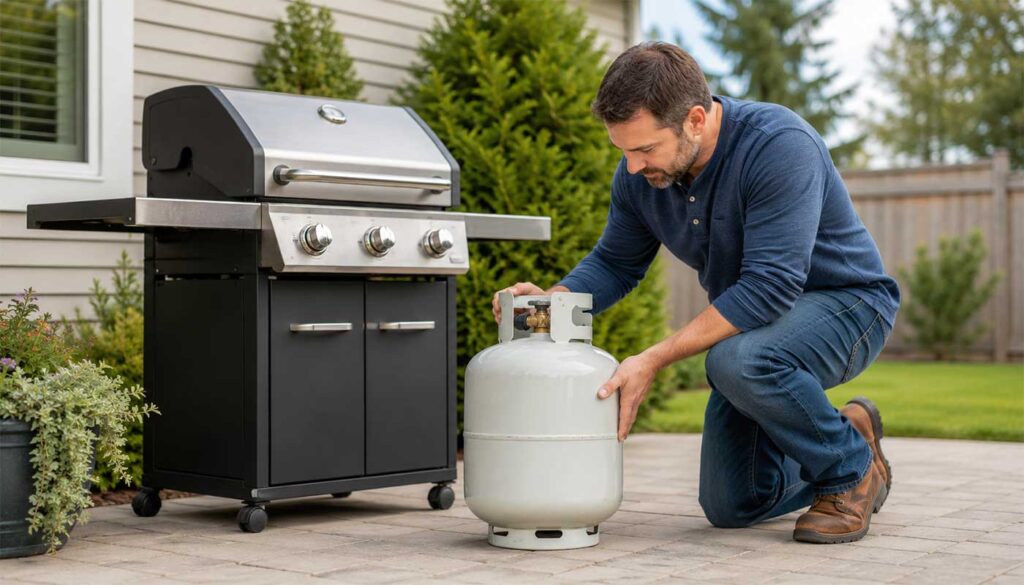
Portable tanks, such as those used for grills or smaller heaters, usually lack gauges. There are a couple of practical ways to estimate the fuel level:
The Hot Water Trick:
- Pour warm water slowly down one side of the tank.
- Run your hand along the outside—where the tank feels cool, that's where the liquid propane level sits.
Weight Method:
- Most tanks are labeled with the empty (tare) weight.
- Weigh the tank on a standard bathroom scale and subtract the tare weight to estimate how much propane remains.
These approaches can help avoid last-minute surprises, especially before a backyard cookout or outdoor heater use in cooler months.
What Happens if a Tank Runs Completely Empty?
Letting a propane tank empty can lead to more than temporary inconvenience. For safety reasons, local and national codes require a leak check and appliance re-lighting if the tank is fully depleted. This process can be time-consuming and, depending on your installer or local requirements, may also involve a fee.
During hurricane season or periods of electrical grid stress, it is wise for residents to monitor tank levels more frequently to maintain a backup heating or cooking source.
What Mistakes Do People Make When Judging Propane Levels?
Some common misconceptions or errors include:
- Assuming all gauges are perfectly accurate—gauge malfunctions or sticking are rare but possible, so visual and appliance-based cues matter too.
- Waiting until a tank is nearly empty before arranging a refill—this increases the risk of outages or delays if services are busy during high-demand periods.
- Underestimating usage during unexpected cold spells or high-usage weeks (such as holidays).
Proactive monitoring and learning your household’s typical usage pattern is the best defense against running short.
When Should You Seek Outside Help?
Most propane users in the community can easily monitor their own tanks and arrange refills themselves. But if you ever detect the odor of gas, notice hissing from the tank or lines, or have any doubts about system integrity, it’s important to stay clear of the area and follow recommended safety procedures.
Local and state fire codes are designed to keep residents safe. In case of leaks, suspected damage, or questions about safe tank handling, relying on official guidance or emergency services is always advised.