
 See My Latest Article on HelloNation
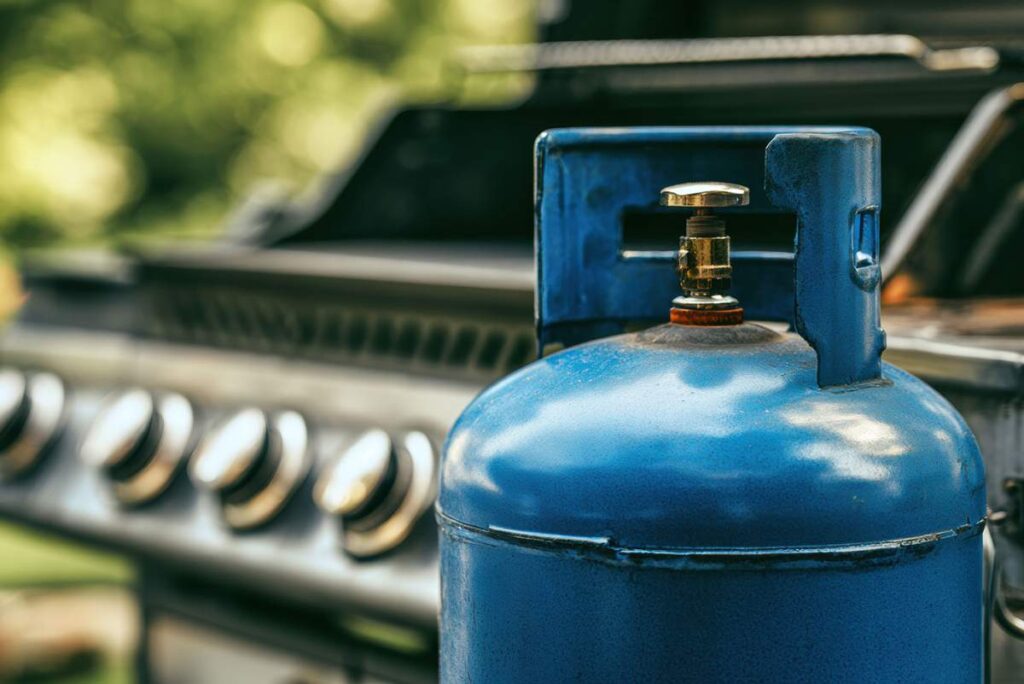
A standard 20-pound propane cylinder usually contains about 4.7 gallons of propane when filled to the permitted level. That provides roughly 430,000 British thermal units, or BTUs, of usable energy. How long it lasts depends mainly on the appliance’s BTU rating and how continuously it operates.
For many common uses, a 20-pound cylinder lasts:
- About 10 to 20 hours on a typical gas grill
- Around 10 hours with a 40,000-BTU patio heater
- Approximately 20 to 40 hours with a small camp stove
- Roughly 8 to 15 hours with some portable propane generators
These are practical estimates, not guarantees. Appliance size, wind, temperature, cooking habits, and the amount of propane already in the cylinder can change the result.
How much propane is actually in a 20-pound tank?
A “20-pound tank” refers to the approximate weight of propane in the cylinder, not the total weight of the cylinder itself. The empty cylinder may weigh another 15 to 20 pounds or more.
A properly filled cylinder is not filled completely with liquid. Propane expands as temperatures rise, so cylinders are generally filled to about 80 percent of their water capacity. That leaves room for expansion and is a basic safety requirement. ([docinfofiles.nfpa.org](https://docinfofiles.nfpa.org/files/AboutTheCodes/1192/1192_REC-AAA_A2017_PIReport.pdf?utm_source=openai))
A full 20-pound cylinder holds approximately:
- 20 pounds of propane
- 4.7 gallons of liquid propane
- About 430,000 BTUs of energy
The energy estimate comes from propane’s heating value of approximately 21,500 BTUs per pound, or about 91,500 BTUs per gallon. ([afdc.energy.gov](https://afdc.energy.gov/files/u/publication/autogas_fueltanks_lines.pdf?1260a4c058=&utm_source=openai))
The most reliable way to check how much remains is to weigh the cylinder. Look for the stamped “tare weight,” sometimes marked “TW.” Subtract that empty-cylinder weight from the current scale reading. The difference is the approximate pounds of propane left.
How long does a 20-pound tank last on a grill?
A 20-pound cylinder commonly provides about 10 to 20 hours of grilling time, depending on the grill’s total BTU rating and how often the burners are used.
For example:
- A 40,000-BTU-per-hour grill could theoretically use the tank in about 10 to 11 hours at full output.
- A 60,000-BTU-per-hour grill could use it in roughly 7 hours at full output.
- A grill operated at lower heat, with only one burner running, may last substantially longer.
The calculation is:
Approximate hours = available BTUs ÷ appliance BTUs per hour
Using 430,000 BTUs:
430,000 ÷ 40,000 = about 10.75 hours
Actual cooking time is usually longer than this simple full-output estimate because burners cycle, temperatures are reduced after preheating, and not every burner operates continuously.
Wind can also increase fuel use. Outdoor cooking areas in Port Neches may experience noticeable coastal air movement, and a grill exposed to wind can lose heat faster than one placed in a sheltered, properly ventilated location.
How long will it run a patio heater?
A standard outdoor patio heater often uses about 40,000 BTUs per hour at its highest setting. At that rate, a 20-pound cylinder provides approximately 10 hours of continuous heat. This estimate is also consistent with consumer propane guidance for a standard patio heater. ([propane.com](https://propane.com/propane-products/patio-heaters/?utm_source=openai))
Lower settings can extend the runtime. A heater using 20,000 BTUs per hour might operate for approximately 20 hours under ideal conditions.
In practice, wind and humidity can affect comfort even when the heater is operating normally. Turning the heater to maximum does not always produce a better outdoor experience if wind carries heat away. The appliance should remain outdoors with the clearances and ventilation specified in its instructions.
How long does propane last on a camp stove?
Small propane camp stoves commonly use between 10,000 and 20,000 BTUs per hour, depending on the burner setting. A 20-pound cylinder could therefore provide approximately:
- 21 hours at 20,000 BTUs per hour
- 43 hours at 10,000 BTUs per hour
Actual meal preparation may use much less time because the burner is not operating continuously. A household that boils water briefly or cooks one meal at a time may get many separate cooking sessions from one cylinder.
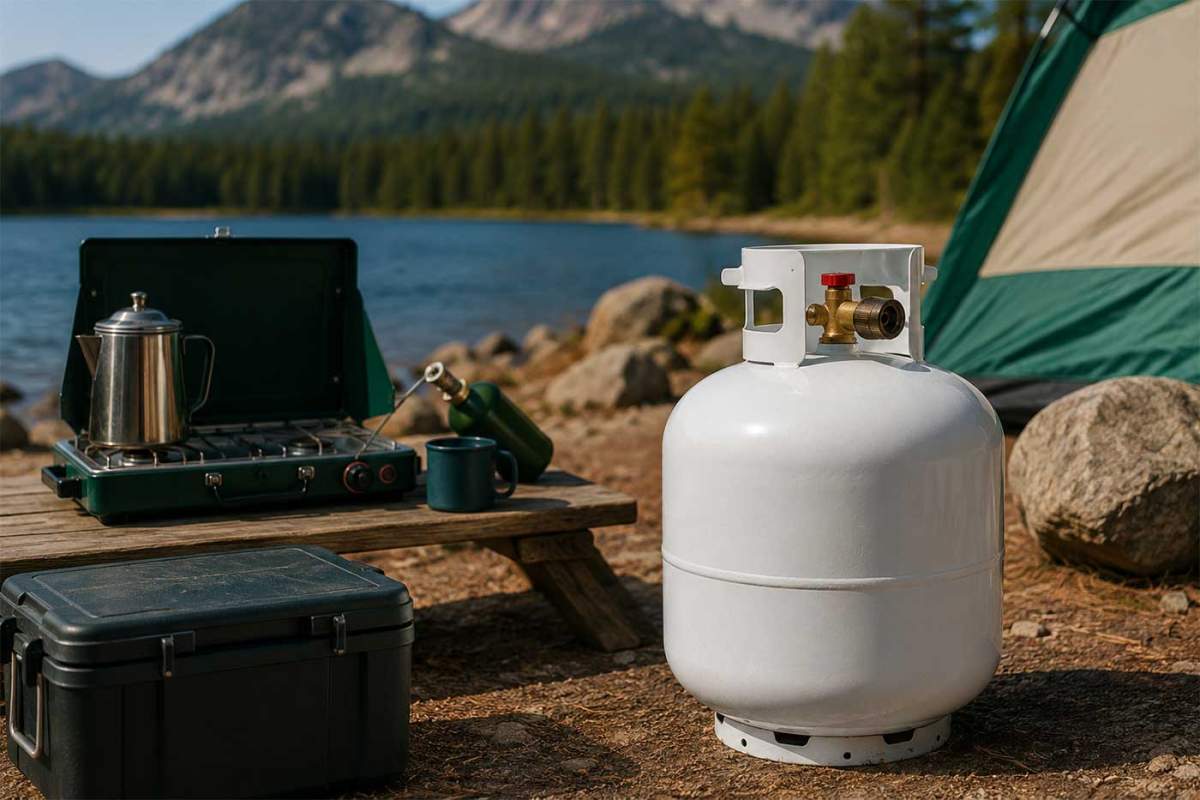
A portable stove should never be used indoors, inside a garage, or in another enclosed space unless the appliance is specifically listed and approved for that setting. Carbon monoxide and fire hazards can develop quickly.
How long does a 20-pound tank run a propane generator?
Generator runtime varies more widely than grill or heater runtime. The answer depends on the generator’s electrical load, engine efficiency, operating mode, and whether the fuel system is designed for a portable cylinder.
A small generator may consume approximately 0.4 to 0.8 gallons per hour under a moderate load. Since a 20-pound cylinder contains about 4.7 gallons, that can translate to roughly 6 to 12 hours. A lighter load may extend the runtime, while running near maximum output can shorten it.
A generator’s advertised runtime should be treated as a test-condition estimate. Check the owner’s manual for fuel consumption at 25 percent, 50 percent, and full load if those figures are provided.
During hurricane-season preparation or a summer power outage, avoid assuming that one cylinder will cover an entire day. Refrigerators, fans, pumps, medical equipment, and other connected loads can change generator fuel use considerably.
What causes a tank to run out sooner than expected?
The most common reasons include:
- Operating an appliance at maximum output
- Using multiple propane appliances from the same supply
- Windy outdoor conditions
- Cold weather, which may increase heating demand
- A grill with clogged burners or poor combustion
- A generator carrying a heavy electrical load
- A cylinder that was only partially filled
- Estimating fuel by appearance rather than weight
Propane cylinders do not provide a precise fuel gauge. The pressure reading on a standard cylinder regulator does not reliably tell how much liquid propane remains. Pressure can stay relatively steady while liquid fuel is present, then fall quickly near empty.
Is it safe to store a 20-pound propane cylinder outdoors?
A cylinder should be stored upright, outside, away from ignition sources, and in a stable location where it cannot be knocked over. It should not be stored in a living area, enclosed porch, basement, or vehicle.
Keep the valve protection cap in place when the cylinder is not connected. Do not leave a cylinder in extreme heat, and do not inspect for leaks with a flame. If a propane odor is present, avoid switches, flames, engines, and other ignition sources; move away and seek qualified emergency assistance if the odor is strong or does not clear.
A cylinder that is rusted, damaged, leaking, or past its required inspection period should not be used. Safety rules and cylinder requirements can apply differently depending on the appliance and installation, so the label, owner’s manual, and applicable code requirements should be followed.
A simple way to estimate your own runtime
Find the appliance’s BTU-per-hour rating, then use:
430,000 ÷ appliance BTUs per hour = estimated hours at continuous full output
For more realistic planning, reduce the result because appliances cycle and real conditions are not perfect. A grill rated at 40,000 BTUs per hour may calculate to about 10.75 hours, but normal cooking may stretch that fuel across many separate meals.
For local households, keeping a second properly stored cylinder can be useful during outdoor cooking or short power interruptions, but every cylinder should be inspected before use and connected only to compatible, approved equipment.