

 See My Latest Article on HelloNation
How Much Propane Does a 20-Pound Tank Hold?
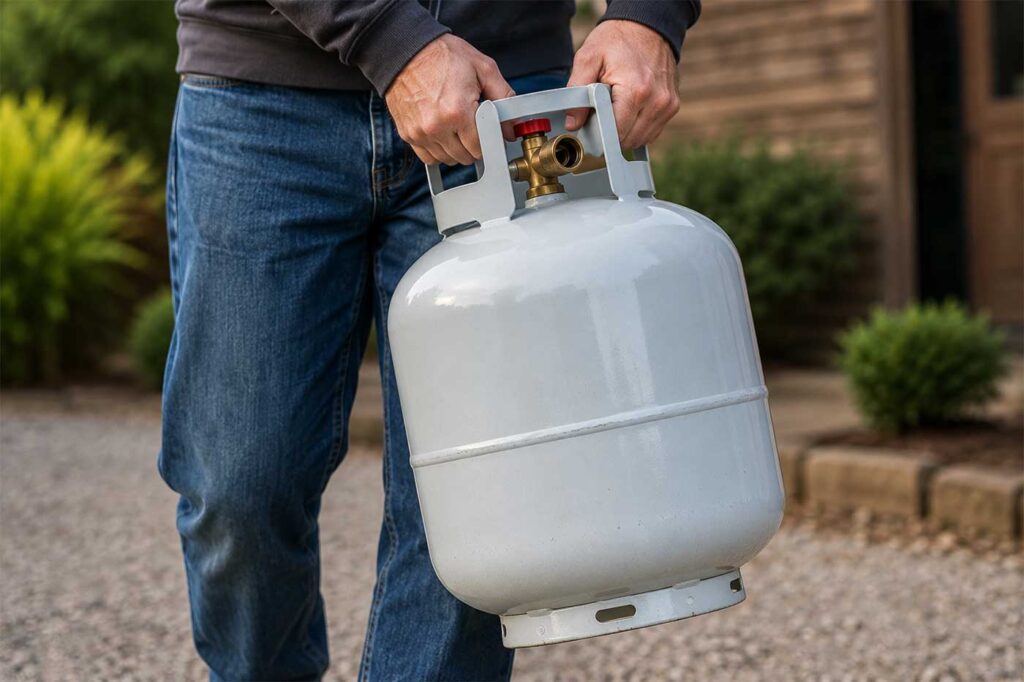
A typical 20-pound propane tank holds about 4.7 gallons of liquid propane when filled to standard capacity. In Port Neches, TX, these portable tanks are familiar fixtures for backyard grilling, small heaters, and emergency preparedness. While the measurement is often called "20-pound," this refers to the weight of propane the tank can safely store—not the weight of the empty cylinder.
The industry standard is not to fill tanks to their absolute maximum, but rather to about 80% of the tank’s volume to allow room for expansion, especially given Southeast Texas’ warm climate. This safety buffer explains why a “full” 20-pound tank contains slightly less than 5 gallons of propane.
Why Are Propane Tanks Only Filled to 80%?
Propane expands as temperatures rise, and Port Neches is known for its hot, humid summers. The 80% fill guideline allows the propane inside the tank to expand safely without creating excess pressure.
- A 20-pound tank’s total capacity is about 5 gallons.
- Standard practice is to fill it to approximately 4.7 gallons (about 80%).
- This fill level is especially important in locations with variable temperatures, such as the Gulf Coast region.
Local residents might notice that their receipt from a refill station shows less than 5 gallons added, and this is intentional to keep storage safe during heatwaves or rapid temperature swings.
What Does “20 Pounds” Actually Mean for Propane Users?
The "20-pound" designation can be confusing. It means the tank can hold 20 pounds of propane by weight, not that the tank itself weighs 20 pounds. An empty tank usually weighs between 17 and 18 pounds—the “tare weight”—which is stamped on its collar. When full, the tank weighs about 37-38 pounds in total.
- 1 gallon of liquid propane weighs roughly 4.24 pounds
- Multiply 4.24 pounds by the 4.7 gallons in a full tank to reach close to 20 pounds of propane
This unit size strikes a balance between portability and adequate capacity for common outdoor tasks around the area.
How Long Will a 20-Pound Propane Tank Last for Typical Uses?
For local households, knowing how long a full tank will last is often more useful than knowing its technical capacity. The duration depends on how quickly propane is consumed.
Example: Standard backyard grills use about 20,000 BTU per hour on high. A 20-pound tank contains approximately 430,000 BTU of energy.
- Running a grill at its highest setting: About 21 hours of cooking time
- Used for a patio heater: Usually 8-10 hours at high settings
- As backup for small generators: Duration depends on the generator's BTU/hour rating
Factors like outside temperature, usage frequency, and appliance efficiency play significant roles. In the city, where mild winters and frequent outdoor gatherings are common, a tank can last multiple weekends of grilling or one or two nights of continuous patio heat.
Can You Overfill a Propane Tank?
Tanks should never be overfilled due to safety hazards. Filling over 80% increases the risk of liquid propane leaking from the relief valve, especially if left in direct sunlight or exposed to heat. Local regulations and refill stations in Port Neches follow state and federal guidelines to avoid this.

To double-check fill level at home:
- Pour warm water down the side of the tank and feel for a cool spot, which marks the fill line.
- Weigh the tank and subtract the empty weight (tare weight) to estimate how much propane remains.
Proper fill procedures and local awareness help prevent leaks and ensure safe storage, which is especially important given Port Neches’ occasionally intense seasonal weather.
Are All 20-Pound Tanks the Same in Capacity and Size?
Most 20-pound propane tanks used by area households are standardized in size (about 18 inches tall and 12.5 inches in diameter), but older or specialty tanks may vary. The certification stamp and tare weight help confirm the capacity for any tank, and they should always be checked before use or exchange.
Local propane suppliers typically exchange tanks using the same 20-pound standard, so the amount of propane should be consistent across swaps and refills.
What Happens if a Tank Feels Light or Runs Out Faster Than Expected?
Propane can be used up faster if there are leaks, high consumption rates, or incorrect assumptions about fill level. Sometimes exchange programs might provide less than a full 20 pounds, particularly if pre-filled tanks are exchanged rather than refilled.
Tips for local residents:
- Check the tare weight and compare the total weight before use.
- Be alert for hissing sounds or the smell of propane, which signal leaks.
- Store tanks upright and in shaded areas to reduce pressure changes from sunlight.
Understanding these basics helps area households get the most out of each tank and stay safe when using propane for daily activities and storm preparedness.