
 See My Latest Article on HelloNation
What Actually Happens When Your Propane Tank Is Refilled?
When refilling a propane tank, technicians follow a clear set of steps to safely add fuel without overfilling. For local households that depend on propane for heating, cooking, or hot water, understanding this process helps build confidence in safe fuel use and routine upkeep.
Why Refill Propane Tanks Instead of Replacing Them?
Most residential propane tanks are designed for many years of use. Refilling is more cost-effective and environmentally practical than swapping out tanks each time they run low. Tanks certified for residential use are regularly checked for leaks and safety compliance, so the main concern becomes keeping fuel topped off, especially ahead of colder weather or seasonal needs in Port Neches, TX.
How Do Technicians Prepare for a Safe Refill?
Safety is the first priority when refilling any propane tank. Before any fuel is added, the technician inspects the tank for visible damage, corrosion, or leaks. This might include:
- Checking the outside of the tank and its connections for rust, dents, or oil-like residue (which can indicate a slow leak)
- Ensuring the fill valve and bleeder valve are free from obstruction and in good working order
- Visually inspecting the area around the tank to confirm nothing would interfere with fuel delivery
These steps are especially important during humid Gulf Coast conditions, as corrosion can occur more rapidly in the local climate.
What Equipment Is Used During a Refill?
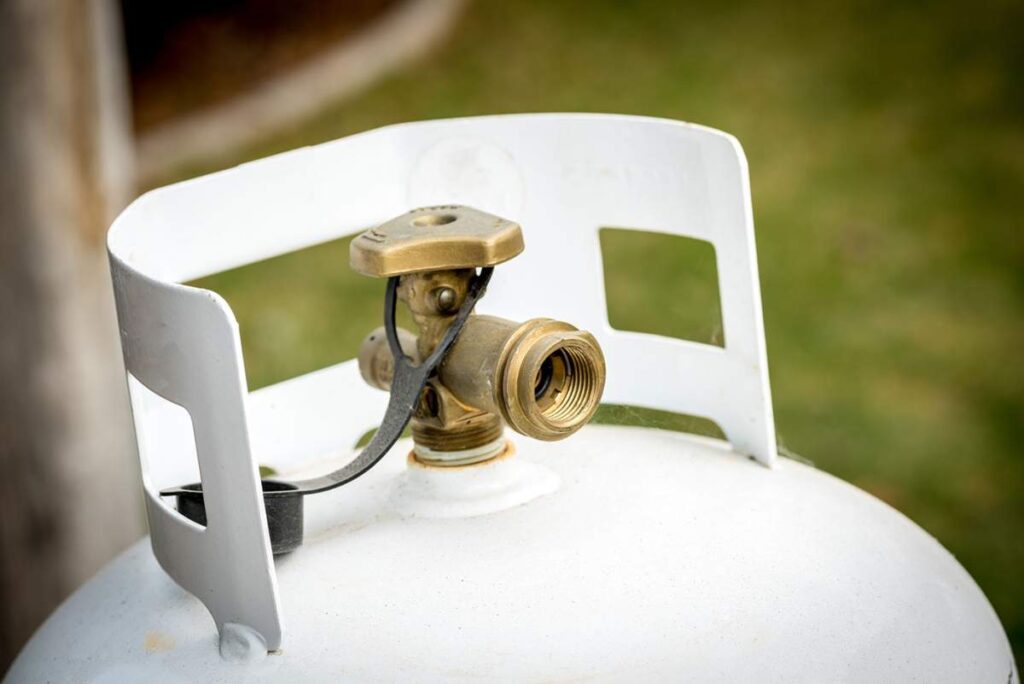
The main equipment used includes a delivery hose with an attached nozzle, a tank fill valve, and a fixed liquid level gauge (also called a bleeder valve). Residential tanks in the area often have visible gauges that display an approximate percentage of remaining fuel.
Technicians wear safety gloves and sometimes eye protection to guard against accidental spray or contact with the cold liquid propane, which can cause frostbite on contact.
What Are the Steps of the Refilling Process?
Refilling a propane tank follows a fixed process:
1. The delivery truck is parked and secured, often on a driveway or access road. The area is checked to confirm it’s safe for operation.
2. The technician grounds the delivery hose to prevent static electricity during transfer.
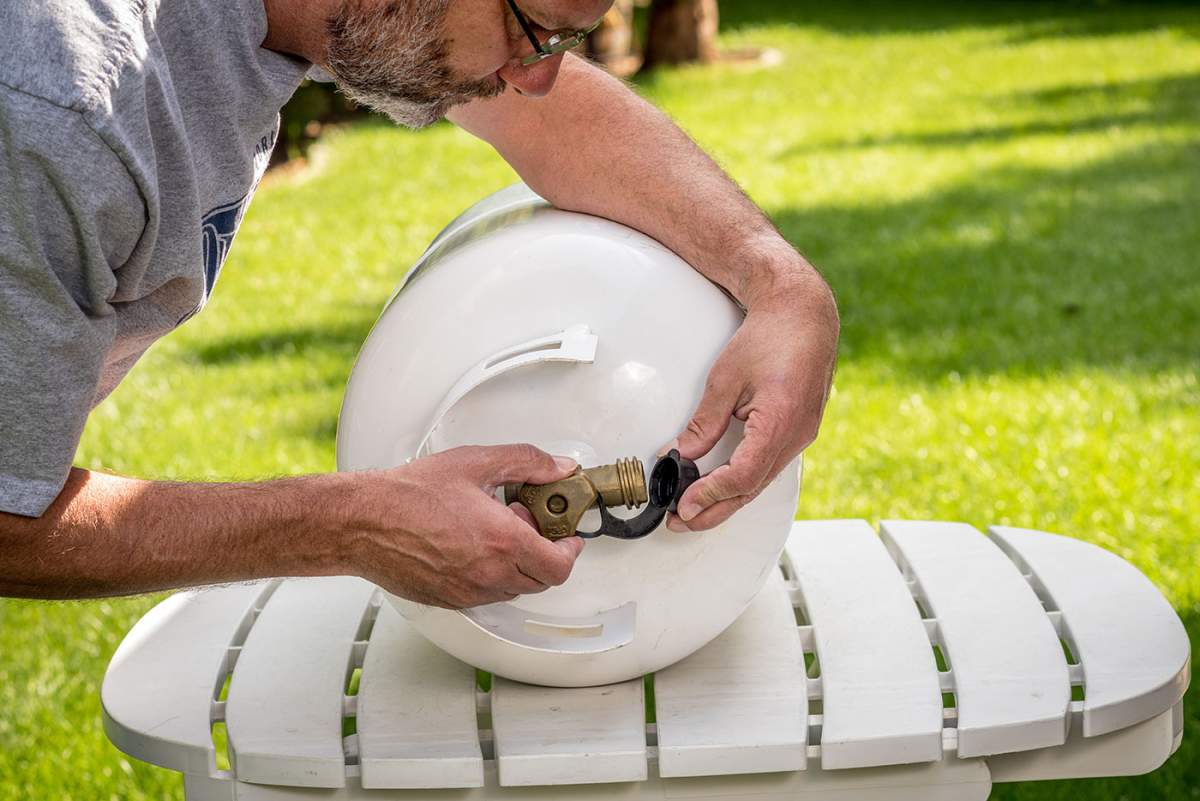
3. The fill valve on the tank is uncovered and cleaned if needed.
4. The fill nozzle is securely attached to the tank’s valve.
5. The bleeder valve is opened slightly. This valve allows small amounts of propane vapor to escape, serving as an indicator that the tank is reaching its safe fill level.
6. The technician starts the pump, monitoring both the tank gauge and the bleeder valve.
7. As liquid propane is added, vapor escapes from the bleeder. When a fine mist appears, the tank has reached 80% capacity (the safe fill limit).
8. The technician shuts off the pump, detaches the hose, closes all valves, and checks for leaks one final time.
Why Are Propane Tanks Only Filled to 80%?
Local residents sometimes wonder why tanks aren’t filled all the way to the top. Propane expands as temperatures rise, especially during hot, humid days common in the area. Tanks are only filled to about 80% of their capacity to leave “headspace” for this thermal expansion. Overfilling can lead to unsafe pressure levels and potential venting of gas.
What Should Homeowners Watch For During or After a Refill?
Residents may notice a brief hissing sound as the bleeder valve is used — this is normal and not a sign of a leak. After a refill:
- The tank’s pressure gauge should show a higher reading, though the percentage may fluctuate a bit with daily temperature swings.
- If a heavy propane smell lingers near the tank after the technician leaves, the area should be cleared and the odor reported, as this could indicate a faulty valve or connection.
- Frost or ice on tank fittings right after filling is typical but should melt quickly as temperatures stabilize.
How Do Weather and Season Affect Refills in the City?
Hot summers and unpredictable cold snaps shape propane use patterns for the community. Higher refill demand usually occurs before and during winter, especially during freezing spells when space heaters or central furnaces work harder. Local humidity and rain don’t interfere directly with the refill process, but can impact tank condition (by causing rust) and ground stability for delivery trucks.
Are There Local Regulations That Affect Propane Refills?
In Port Neches, propane tank installation and usage must comply with national safety codes as well as state and municipal safety ordinances. Regular refills include:
- Verifying that underground or above-ground residential tanks are set back the required distance from homes and ignitable sources.
- Ensuring delivery operations don’t block driveways or public roads, which can be a concern on narrower residential streets.
Residents are not expected to memorize these codes, but reputable technicians will follow them during each delivery.
What Are Common Misconceptions About Refilling Propane Tanks?
- Tanks don’t need to be completely empty before refilling. In fact, letting a tank run entirely dry introduces moisture and air, which can cause rust and service interruptions.
- The refilling process does not contaminate the inside of the tank; only clean, regulated fuel is used.
- The smell during refill does not mean a leak—propane is odorized as a safety measure, and a brief scent release is expected when vents are used.
When Should Residents Schedule a Refill?
Residential needs vary. Many households check their gauges monthly and plan for a refill when levels drop below 30%, especially before peak demand months. This helps avoid service interruptions or rushed deliveries during severe weather, which can sometimes delay routes in the area.