
 See My Latest Article on HelloNation
What Is the Core Difference Between Propane Tank Refills and Tank Exchanges?
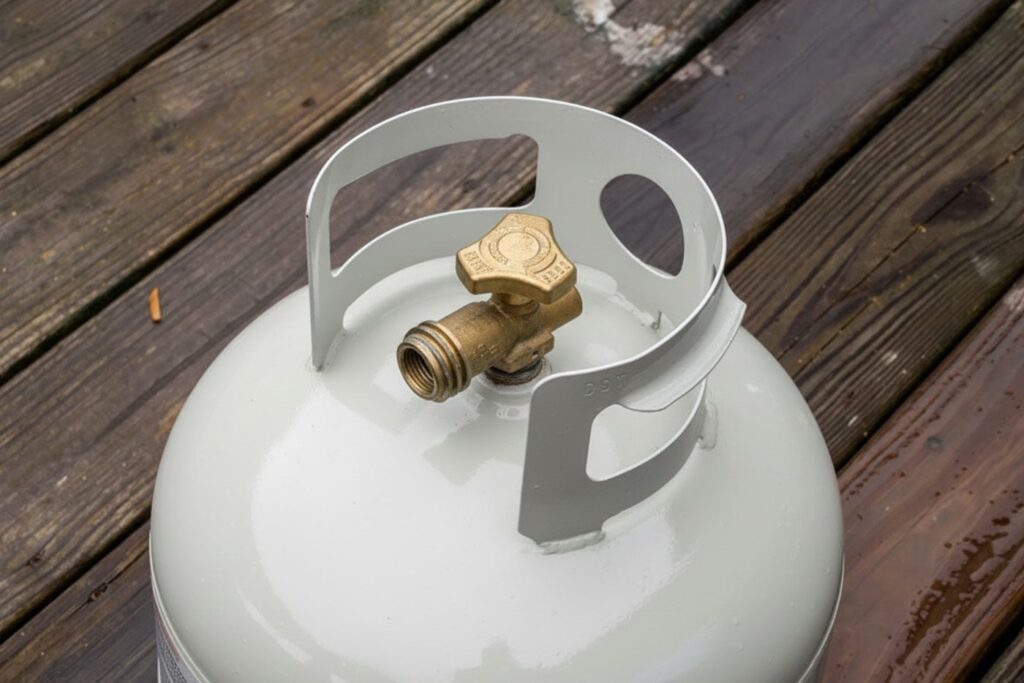
Refilling and exchanging propane tanks are two separate ways residents can keep their portable tanks full for home, grilling, or outdoor use. Refilling means topping off your own tank with new propane, while exchanging means swapping your empty tank for a pre-filled one. Each method has its own process, convenience factors, and cost considerations.
Refills allow you to keep your existing tank, usually paying only for the amount of propane added. Exchanges involve leaving your old tank and receiving a full tank, often without knowing the precise amount of propane inside the replacement.
How Does the Propane Refill Process Work Locally?
In Port Neches, many residents choose to refill their own propane tanks, especially for uses such as outdoor grilling, patio heaters, or small appliances. When refilling, you bring your cylinder to a refill station. A trained attendant will check your tank's expiration date and condition, then fill it while you wait.
- You keep your original tank (assuming it passes inspection and is not expired)
- You pay only for the actual propane added, not a set fee for a full tank
- Refills tend to be measured by weight or gallons
Refilling is often appreciated by area households who want to use their tank until it’s truly empty, helping minimize waste and keep costs predictable season after season.
How Does the Tank Exchange Method Work?
With the exchange system, you bring your empty or partially used propane tank to a kiosk, local hardware store, or designated exchange station operating within city limits. You leave your tank behind and receive a different tank that has already been filled and inspected.
- Exchanged tanks may be branded by a national distributor, but are generally standardized for size and fit
- You pay a fixed fee, regardless of how much propane was left in your old tank
- You do not need to wait for your original tank to be filled or checked
Area residents value exchanges for their simplicity and speed, particularly when the old tank is nearing expiration, has rust, or shows damage that could fail a safety inspection.
Which Option Provides a Better Value?
For many in the community, refilling a tank is more cost-effective, since you’re only charged for the propane you receive rather than a flat rate. With exchanges, any remaining gas left in your tank is forfeited. Over time, that can add up, especially for those who tend not to run their tanks completely dry before swapping.
Typical factors that influence value:
- Refills: Only pay for what you get. Local refill stations often offer a full fill (up to the safe capacity marked on the cylinder).
- Exchanges: Pay a set price whether your old tank was nearly empty or half full. Exchanged tanks are usually not filled to 100% of their stated capacity for safety and handling reasons.
Seasoned grillers and RV users often notice that refilled tanks consistently provide more actual propane per dollar spent, especially during high-usage months like spring and summer.
Are There Safety or Regulatory Differences in the City?
Port Neches follows state and national propane safety codes, which apply to both refilled and exchanged tanks. Both systems require inspection of the cylinder for condition, leaks, and date of manufacture (or re-certification). Expired or visibly damaged tanks are not eligible for refilling, but can usually be exchanged, since the provider reconditions or recycles them.
Safety points include:
- A tank’s pressure relief valve, collar, and structure must be intact for refilling
- Only certified attendants should operate refill stations
- Exchange locations accept expired tanks, removing the burden of disposal

For households with older or questionable tanks, exchanges provide a quick way to stay compliant with safety standards without managing tank disposal themselves.
Which Method Offers More Flexibility for Local Residents?
Refilling can be a flexible choice if you have several tanks, use propane frequently, or want to keep one as a backup. You decide when and how much to refill. It’s also a good fit for those who want to avoid the “partial tank surrender” that comes with all exchanges.
Exchanges, by contrast, are valued for convenience – particularly if you need propane outside normal business hours or don’t want to wait for a refill station to open. Exchange sites may offer 24-hour access, while refill stations usually keep standard business hours.
Are There Seasonal or Community Patterns Around Refills and Exchanges?
Patterns in Port Neches often reflect outdoor living trends and seasonal weather shifts. For instance:
- During cooler months or hurricane season, demand for backup propane rises, making refills more attractive to those preparing for outages without overpaying through exchanges.
- Early spring and late fall see spikes in residential grill and heater use, boosting both refill and exchange volumes.
- Local residents who rely on propane for constant use, such as RV owners, often prefer refilling to maintain more control over supply and cost.
What Are Common Misconceptions About Each Method?
One persistent myth is that exchanged tanks are always filled to their maximum rated capacity. In most cases, exchanged tanks are only filled to about 15 pounds of propane, even if rated for 20 pounds, both for safety and handling considerations. In contrast, refill stations in the city generally fill tanks to their safe full capacity, giving you more usable fuel.
Another misconception is that refilling is always slower or less convenient. While exchanges can be very quick, refilling lines in Port Neches are often short except during high-demand periods like major holidays or disaster preparation days.
Which Choice Fits Different Types of Residents or Households?
- Frequent users, campers, or those tracking household budgets often find refilling best for their habits and cost management.
- Residents concerned mostly with ease, tank age, or who wish to avoid periodic inspection may find exchanging simpler.
- Those with specialized tanks for RVs or larger applications are generally limited to refills, as exchange stations only cover standard grill-sized cylinders.
Local geography—such as the frequency of outdoor cooking and backup generator use—means many households keep multiple tanks and use a mix of both methods depending on the season and situation.