

 See My Latest Article on HelloNation
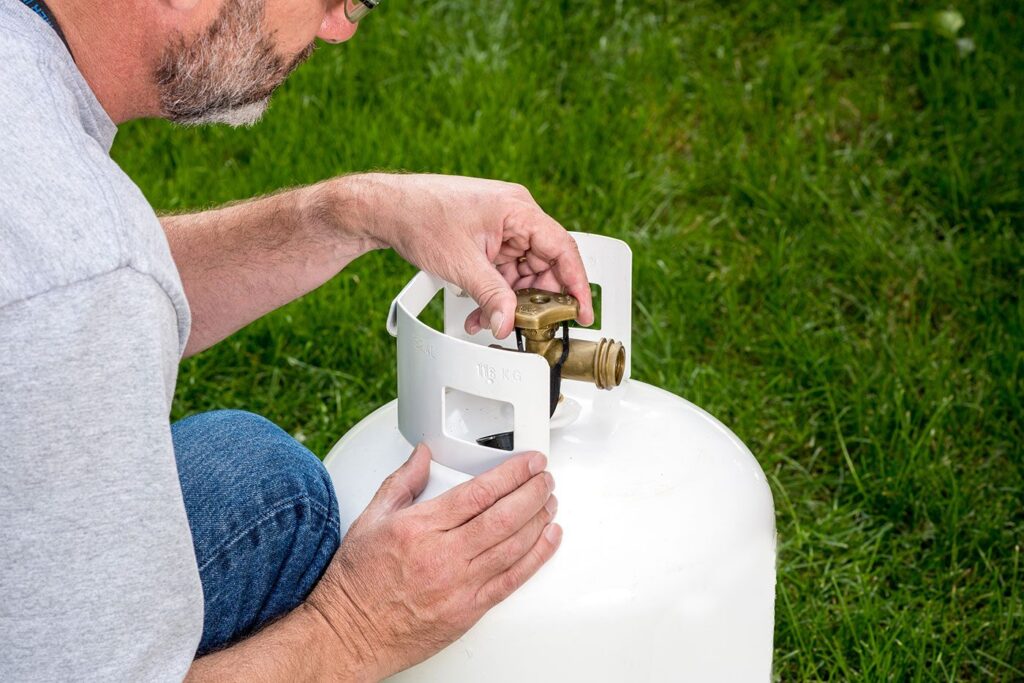
How Do You Know How Much Propane Remains in a Tank?
For many households in Port Neches, TX, propane tanks are an essential part of daily living—powering everything from home heating and water heaters to outdoor grills. Knowing how much propane you have left can help avoid unwelcome surprises, especially during the gulf coast’s cooler months or right before a weekend barbecue. While propane tanks typically don't come with digital readouts, there are straightforward and reliable ways to estimate what’s left.
Can You Trust the Built-In Gauge?
Some tanks, especially larger stationary ones, feature a built-in gauge, usually located under the tank lid. This gauge shows a percentage, not gallons, and reflects the level inside the tank, not how much is left in the total capacity.
- For example, a reading of "40%" on a standard 250-gallon tank means you have about 100 gallons remaining.
- Gauges on smaller portable cylinders (such as those for grills) are rare and often unreliable, so most residents use other methods for smaller tanks.
Gauges are especially useful for whole-home tanks but can fog up or get stuck. If you suspect an inaccurate reading, try another method to double-check.
What About the Hot Water Method?
This time-tested approach requires only hot tap water and is ideal for grill-sized tanks. Here’s how it works:
- Pour a cup or two of hot (not boiling) water slowly down one side of the tank.
- Run your hand along the same side from top to bottom.
- Where the tank wall changes from warm to noticeably cool, that's the approximate propane level.
Propane absorbs heat, making the metal below the gas line feel cool to the touch, while the empty upper section remains warm. Though not laboratory-precise, this method offers a quick check before hosting a neighborhood cookout or refilling a cylinder ahead of local cold snaps.
Weighing the Cylinder: Is It Accurate?
For portable cylinders, weighing is the most reliable DIY method. Here’s what to do:
- Look for the cylinder’s "tare weight" (TW), which is stamped on the collar or handle—for example, "TW18" means the empty tank weighs 18 pounds.
- Place the tank on a household scale.
- Subtract the tare weight from the scale’s reading to find the propane weight left.
A typical full grill tank holds about 20 pounds of propane. If your tank and gas together weigh 26 pounds, and the tare weight is 18, you have about 8 pounds of propane left—more than enough for a standard evening of grilling in Port Neches.
Why Don’t Tank Gauges Read in Gallons?
Tank gauges are calibrated for safety and fuel expansion. Because propane expands with temperature (especially during our humid Gulf Coast summers), tanks are only filled to about 80% capacity—even when "full." That space prevents accidents as gas expands and contracts with weather changes. So, a reading of 80% means the tank is as full as it should ever be. For residents topping off before seasonal storms or extended power outages, understanding this can prevent confusion during fill-ups.
Are There Safety Concerns When Checking Propane Levels?
Standard methods like the hot water test and weighing don’t involve opening valves or exposure to gas, so they’re generally safe. Avoid using open flames, puncturing the tank, or attempting to modify the tank in any way. If a tank shows visible rust, heavy dents, or a propane odor near valves or hoses, professional inspection becomes essential. Local fire codes and weather patterns—particularly the hurricane and storm seasons typical of Port Neches—make propane safety even more crucial.
What Are Common Misconceptions?
Some believe you can shake a propane cylinder to "hear" how much gas is left. In reality, it’s too heavy and regulated for most people to notice a reliable difference, and this practice is generally discouraged. Similarly, "eyeballing" large home tanks by guessing based on usage rates can backfire due to unexpected demand spikes, especially when hosting guests or during cold fronts.
How Often Should You Check Your Propane Supply?
Check outdoor cylinders before major holidays, cold snaps, or forecasted storms. For household tanks, monitor at the start of each season and restock before the level drops below 20%. Running completely empty risks appliance malfunctions and may require system checks before refilling—a common occurrence for some households during weather swings in the city.
Local Climate Considerations
Port Neches’s variable weather—humid summers, sudden cold snaps, and the possibility of tropical storms—can affect propane usage patterns. Outdoor tanks may see more rapid pressure changes. Scheduling checks before anticipated weather events (such as hurricane season or winter cold fronts) is a habit that serves local households well and reduces service interruptions.