
 See My Latest Article on HelloNation
Can You Refill a Propane Tank Before It Is Empty?
Yes, you can refill a propane tank before it runs completely empty. Many Port Neches, TX residents choose to top off their tanks for several practical reasons. This practice is safe and often makes sense for households that rely on propane for grilling, heating, outdoor kitchens, or other regular activities, especially during busy seasons or before family gatherings.
Why Topping Off a Propane Tank Is Common
Refilling a propane tank before it is completely empty is not just safe, but is actually a routine practice for many people. This is particularly true in places like Port Neches, where outdoor cooking and heating can be part of daily life almost year-round. Here’s why area residents often choose to refill early:
- Avoiding interruptions during barbecues or cold snaps
- Preparing for holidays, hurricane threats, or large gatherings
- Managing tanks that serve more than one appliance
With the city’s warmth and outdoor lifestyle, many families prefer not to risk running out unexpectedly, especially if their tank is running low before a weekend or special event.
Will Refilling Early Cause Problems or Waste Propane?
Topping off a partially full propane tank does not harm the tank, appliances, or the propane itself. Providers use meters and weight scales to ensure tanks are not overfilled. The process simply adds more liquid propane to whatever is left inside.
You are only charged for the amount put into your tank, not for what you already had left. Some residents mistakenly believe topping off might lead to “wasted” propane due to possible venting, but modern refilling procedures use safeguards that prevent unnecessary loss. Also, propane tanks are meant to be filled to about 80% capacity for safety, which leaves a vapor space no matter when you refill.
Is There Any Reason to Wait Until the Tank Is Empty?
While there is no technical reason you must run the tank dry before refilling, there are a few considerations to keep in mind:
- You can’t “stack” discounts: If providers advertise special rates for standard refill amounts, topping off early may not maximize those offers.
- Hard to track usage: Keeping your tank near full can make it tricky to judge average consumption, which some area households like to monitor.
- Older tanks: If a tank is very old or has not been checked in years, emptying it before inspection or replacement can be safer before a long-term refill.
For most residents who prefer convenience and peace of mind, topping off before it’s empty outweighs these minor factors.
Propane Tank Gauges and Estimating When to Refill
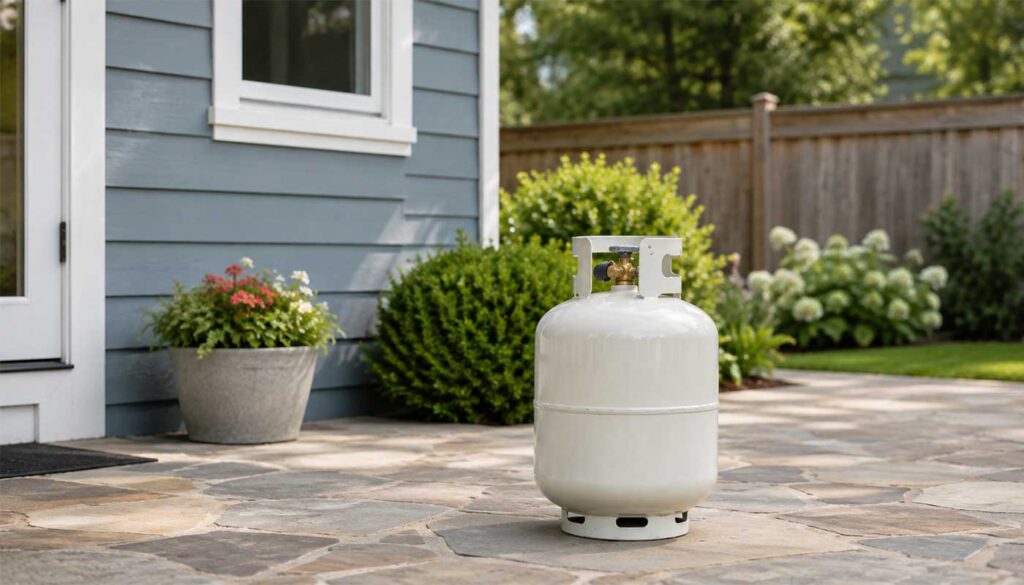
Most portable propane tanks do not have detailed fuel gauges. Instead, residents in Port Neches often use these methods:
- Weight: Full 20-lb cylinders weigh about 37 pounds; when they near 15-18 pounds, they are nearly empty.
- Hot water test: Pouring hot (not boiling) water down the tank side, then feeling for a cool line, can indicate the propane level.
- Usage tracking: Roughly estimate how many hours of grilling, heating, or appliance use you get per tank and plan refills accordingly.
Because many gatherings and outdoor activities coincide with seasonal weather shifts or holiday weekends, the community’s grilling and patio heater usage spikes at certain times of year. Topping off in advance prevents interruptions during these busy stretches.
Safety Considerations for Refilling
Safety is always a concern with any fuel. Refilling a propane tank that is not empty remains safe as long as…
- The tank is in good condition (no rust, major dents, or out-of-date inspection).
- The valve operates smoothly and securely.
- The tank is not overfilled (refilling locations use automatic filling devices or scales to prevent this).
If a leak, strong odor, or difficulty in operating the valve is noticed—even if the tank is not empty—the tank should be checked before refilling. Propane tanks have overflow prevention devices, and reputable filling stations will not overfill a cylinder.
Local Advice on Managing Propane for Households
Because outdoor cooking, crawfish boils, and backyard heaters are core parts of life here, many area residents keep a spare propane tank on hand and refill both whenever one drops below about one-quarter full. This habit:
- Ensures a backup is available without last-minute runs in severe weather or before guests arrive
- Allows both tanks to be filled efficiently during a single trip
Residents who use propane for indoor appliances—such as in mobile homes or for backup heating—should pay special attention to levels during hurricane season, when storms or delivery delays are possible.
Are There Rules or Laws About Refilling Partially Full Tanks?
There are no city- or state-specific rules in Port Neches that prohibit refilling a tank that isn’t empty. State and federal safety codes only specify that tanks cannot be overfilled, regardless of how much remains inside. Checking that your tank’s certification is current (typically stamped on the collar) is the most important compliance factor. Older tanks must be inspected and requalified after 12 years from the original date, and then every five years after that.
What If a Tank Seems to Run Out Faster After Partial Refills?
Sometimes, residents worry that their tank “empties faster” if they regularly refill when it isn’t empty. This is a common misconception. What matters is the total amount of propane inside, not when you refill. The rate it is used depends on appliances, outdoor temperature, and how much propane was added, not the timing of your refills.
If you notice a sudden drop in tank performance or run time, check for leaks at connections, inspect the age of your tank, or ask about weather conditions, as cold temperatures can affect vaporization rates and pressure.