

 See My Latest Article on HelloNation
Are Propane and Natural Gas the Same Thing?
No, propane and natural gas are chemically distinct fuels with different properties, supply methods, and uses in Port Neches homes. While both serve as reliable energy sources for heating, cooking, and appliances, there are clear distinctions that impact safety, convenience, and cost for local residents.
What Are They Made Of?
- Propane: A byproduct of natural gas processing and petroleum refining, propane is stored as a liquid under pressure.
- Natural Gas: Primarily made up of methane, natural gas is lighter than air and is delivered through pipeline infrastructure.
Each fuel behaves differently in the event of a leak or spill, so it’s important to understand their unique characteristics.
How Are They Delivered and Stored in Port Neches?
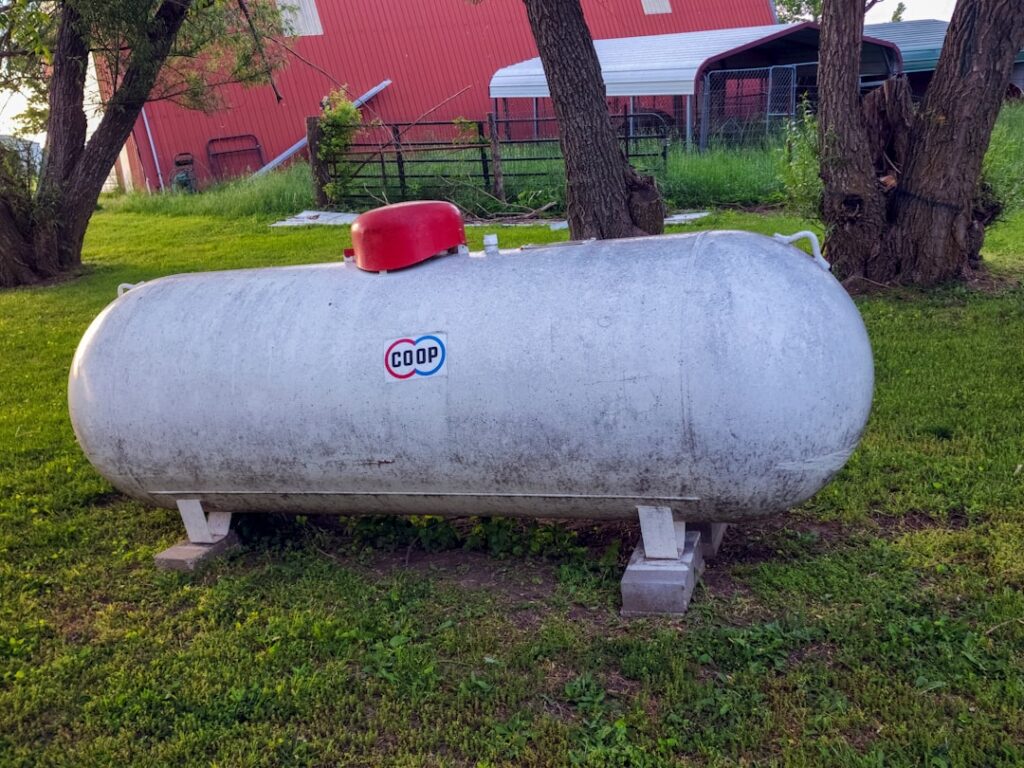
In Port Neches, natural gas is piped underground directly into many homes. Propane is delivered in tanks, which are often installed above ground on residential properties.
- Natural Gas: Supplied via buried pipelines. This means if your house already has a connection, fuel is always “on tap.”
- Propane: Delivered by truck and stored in an on-site tank. Tanks need periodic refilling, so planning is key—especially during cold snaps or hurricane season, when access could be delayed.
Residents in more rural or newly developed areas may find propane more flexible, as it is not reliant on existing pipeline infrastructure.
Which Is Cheaper for Area Households?
Prices fluctuate, but natural gas is typically less expensive per unit of energy in communities with established pipelines. Propane’s cost per gallon is usually higher, but propane is also more energy-dense—one cubic foot of propane contains more usable energy than the same volume of natural gas.
Consider these practical factors:
- Connection Fees: Setting up a new natural gas line can have an initial fee, whereas propane setup involves the cost or lease of a tank.
- Seasonal Swings: Severe winter weather or natural disasters can temporarily impact propane delivery prices more than pipeline-based natural gas.
- Usage Patterns: For high-demand heating or whole-home backup, local residents often compare annualized energy costs, not just per-unit prices.
Is One Fuel Safer Than the Other?
Both fuels are generally safe with proper installation and maintenance. However, their physical differences influence safety considerations:
- Natural Gas: Lighter than air, natural gas will rise and dissipate outdoors but can pool under roofs in enclosed spaces. Municipal services typically add a rotten-egg odor for leak detection.
- Propane: Heavier than air, propane will sink and collect at ground level if there’s a leak, which can pose a greater risk of accumulation in basements or enclosed structures.
It’s important for local residents to have working gas detectors, know emergency shut-offs, and understand any city regulations regarding tank placement or pipeline access.
Which Fuel Works Better During Power Outages or Extreme Weather?
Propane is often chosen for its reliability in areas vulnerable to power loss during storms or hurricanes, which occasionally affect the region.
- Propane: As long as you have fuel in your tank, it’s unaffected by grid outages. Propane generators and appliances are valued for this reason.
- Natural Gas: Supply is usually constant; however, supply can be affected by rare pipeline disruptions or evacuations if infrastructure is compromised.
This may influence decisions for those prioritizing emergency readiness in the local community.
Are There Any Environmental Differences?
Both fuels burn cleaner than coal or oil, but there are differences in their environmental footprint:

- Natural Gas: Produces less carbon dioxide per unit of energy. However, methane leaks from aging pipelines can be a concern for greenhouse gas emissions.
- Propane: Produces slightly more CO₂ than natural gas but virtually no methane, which is a potent greenhouse gas.
Appliance efficiency and household usage patterns play a greater role than the small differences in emissions between these fuels.
Which Appliances Work with Each Fuel?
Most stoves, water heaters, furnaces, and dryers can be configured for either propane or natural gas, but the appliances require specific jets or regulators. Converting between the two usually involves a service call and part replacement.
A common misconception is that appliances are interchangeable by default—they are not. Always check the manufacturer’s specifications before attempting any changeover.
How Do Local Climate and Housing Trends Affect Fuel Choice?
Port Neches’ humid subtropical climate, with its warm summers and mild winters, means household demand for heating is lower compared to northern cities. However, local weather patterns—including storms—can disrupt infrastructure, making fuel independence via propane more attractive for some households.
Newer homes in dense neighborhoods are often built with natural gas lines. Existing homes outside of current pipeline coverage, or those on larger lots, may rely on propane tanks due to convenience and flexibility.
What Local Regulations or Codes Should Residents Know About?
Local ordinances regulate the placement of propane tanks for safety, generally requiring tanks to be set back a certain distance from dwellings and property lines. Underground installation may be an option for some properties, and state fire codes influence requirements for both propane and natural gas systems.
Natural gas lines are typically managed by public utility authorities, which oversee connection, inspection, and maintenance standards. Always consult city or county guidelines before making changes to fuel systems, especially if installing a new tank or modifying outdoor infrastructure.
What Questions Should Residents Ask Before Deciding?
Before choosing between propane or natural gas, local residents often weigh:
- Whether a natural gas pipeline is already available to the property
- How local weather or storm patterns might affect fuel access
- Initial setup costs versus long-term usage costs
- Whether they prefer the autonomy of storing their own fuel
- Any city or insurance requirements affecting installation
Understanding these core differences helps homeowners select the energy source that best suits their needs and circumstances.